Spec before style
Every product starts with a spec sheet — fabric weight, seam construction, hardware ratings, jobsite use case — then goes to a partner who can actually hit it. The spec drives the design. Not the other way around.
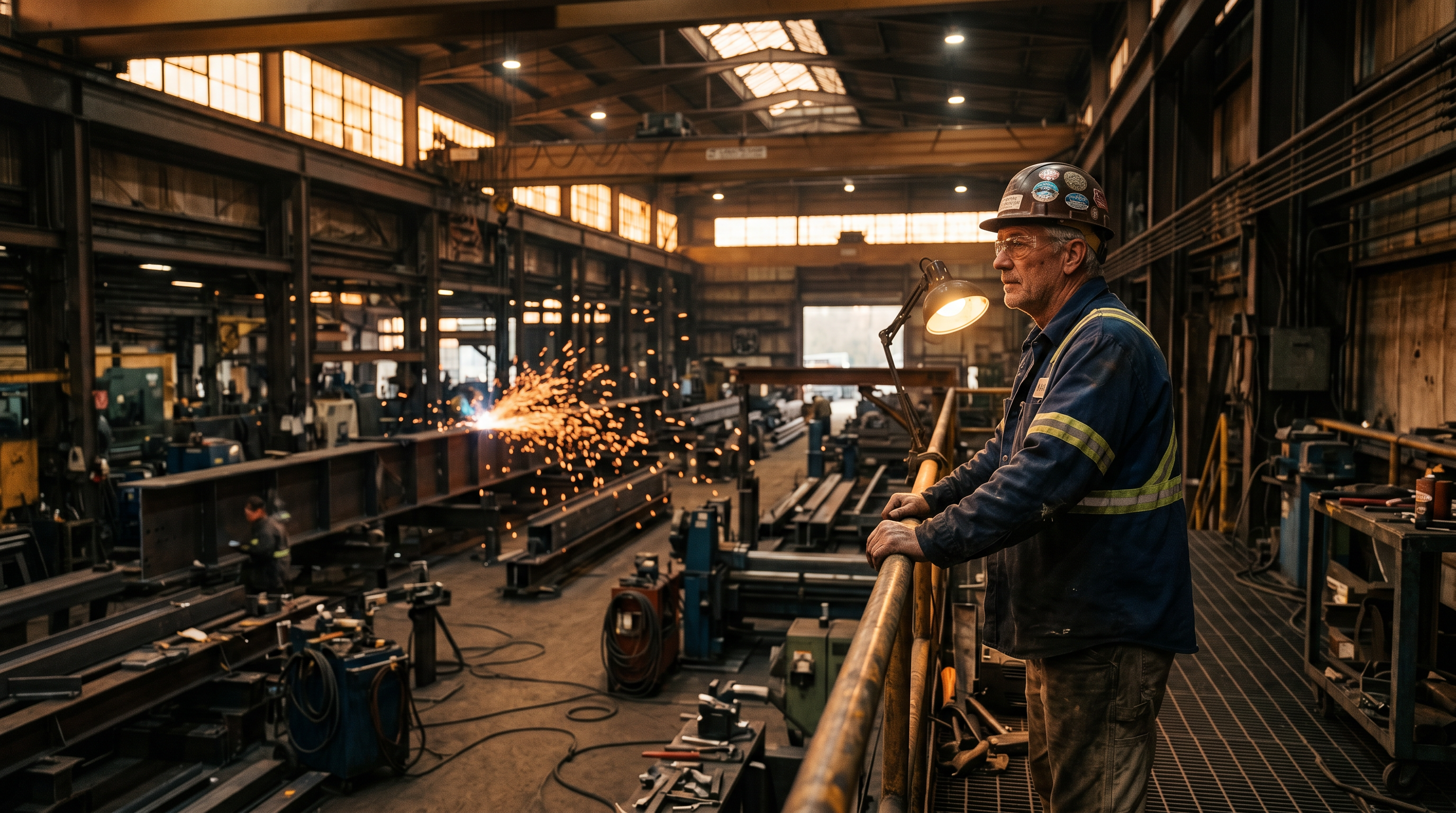
We make technical safety equipment for the people who keep the country running — welders, linemen, framers, field techs, warehouse crews, and the operators on the night shift. Every product earns its place through one test: does it help you get home?
Safety should not be a compromise. A hi-vis jacket should fit like something you want to wear. A scanner harness should distribute load instead of digging in. A bottle of sunscreen should actually get used because it goes on clean, not greasy. Quality and safety are the same conversation.
The industry trained workers to accept bad design — across every category. Boxy garments. Scratchy gloves. Foggy lenses. Sunscreen that stings, hydration that tastes like medicine, harnesses that pinch. We started Iron Bound Safety because we were tired of buying gear we had to apologize for. So we rebuilt it — from the fiber, the formula, and the fastener up.
Every product starts with a spec sheet — fabric weight, seam construction, hardware ratings, jobsite use case — then goes to a partner who can actually hit it. The spec drives the design. Not the other way around.
Cordura at the wear points. Aluminum buckles where plastic would crack. Sealed seams, water-tight pumps, tamper-evident lids. If a part gives out before the product does, we swap it out.
Articulated cuts that move with you. Gloves that grip when they’re soaked. Harnesses that breathe. Sunscreen that won’t sting under safety glasses. Comfort isn’t a perk — it’s the reason gear gets worn instead of left in the truck.
A tier-one partner list you can actually see. Conflict-free metal trim and a repair/replenish program that keeps gear out of the landfill instead of in the next dumpster.
Materials and components sourced from suppliers we've worked with for years — no surprise substitutions, no anonymous middlemen between you and the mill.
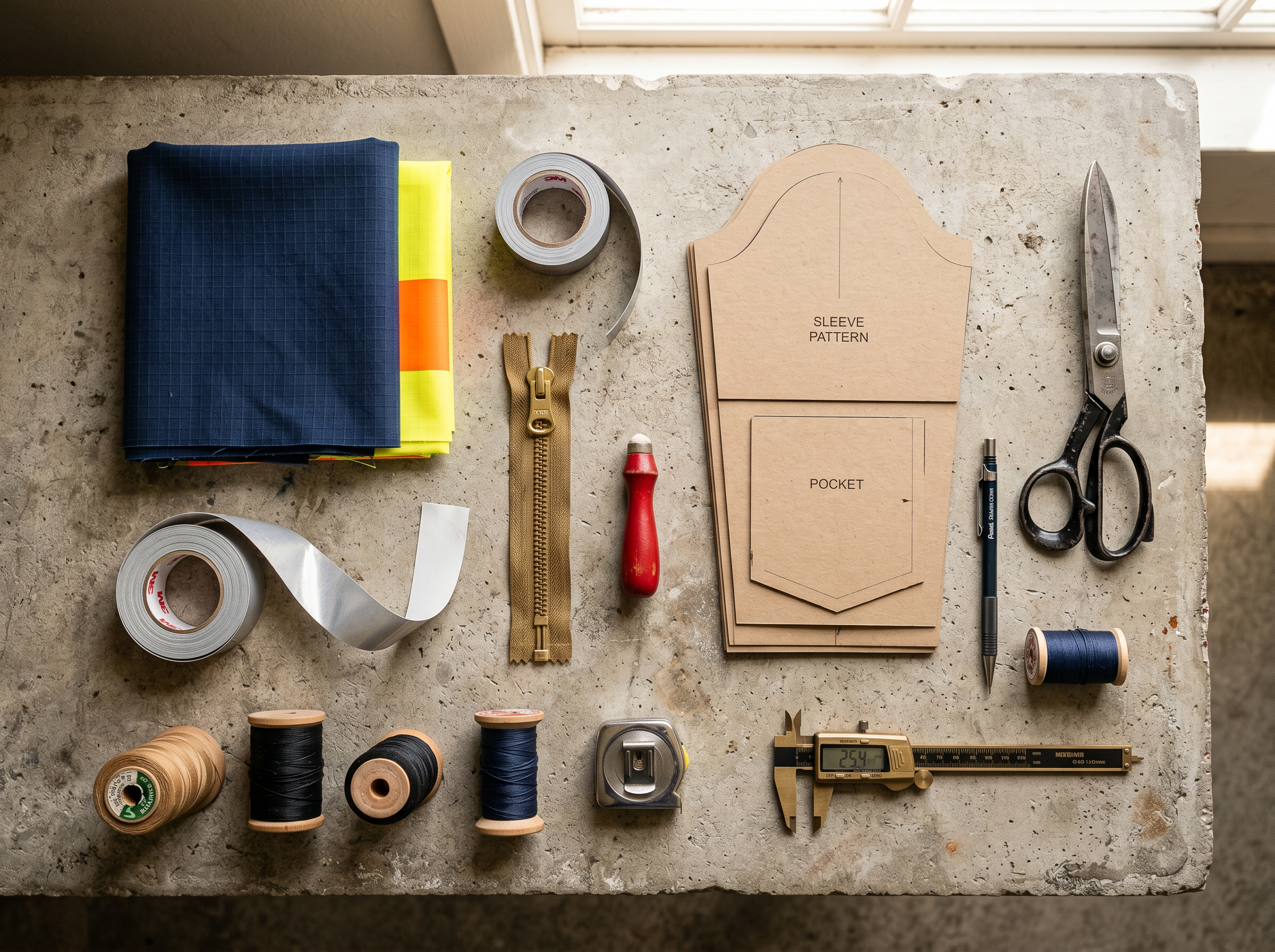
We start at the input level. Fabric mills with a long track record in workwear. Reflective tape that’s sewn in, not heat-pressed. Aluminum buckles instead of zinc. Sunscreen actives that wear well under safety glasses and don’t sting when you sweat. Every material on the line is chosen on purpose — nothing’s there to fill space.
The Iron Bound team is a mix of textile engineers, industrial designers, former union linemen, refinery safety leads, warehouse operations managers, and a couple of very opinionated pattern makers and chemists. We test every prototype in the field — on real shifts, with real crews — before it ever hits the catalog.
“Our crews used to cobble safety gear together from four different vendors and a lot of duct tape. Iron Bound is the first kit that covers the whole shift — head, hands, hydration, hi-vis — without us feeling like a walking billboard.”
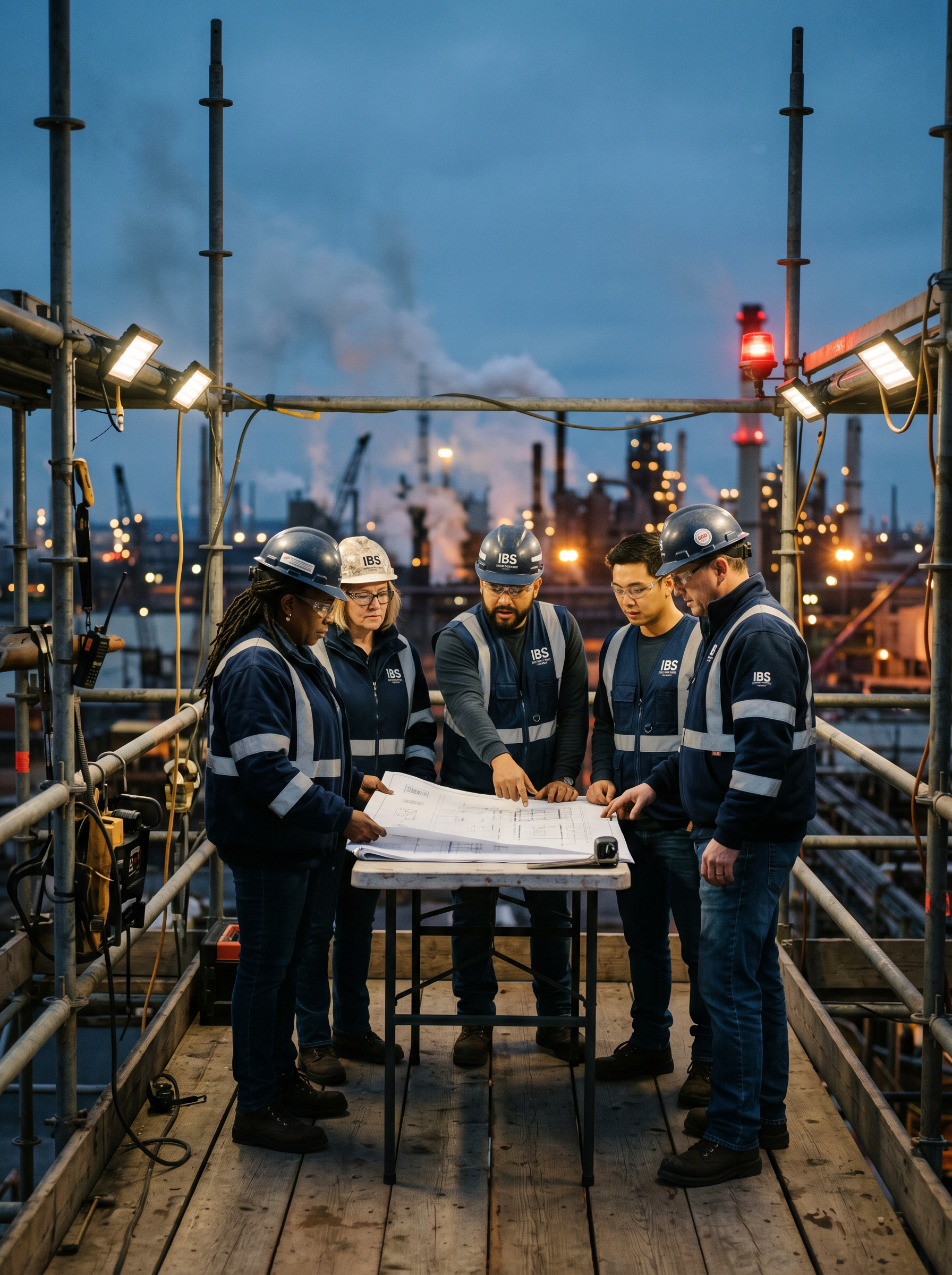
Same patterns, same materials, run after run. The gear your crew gets next quarter is built the same way as the gear they have on now — not a rotating cast of overseas factories swapped in to hit a price.
Stocking inventory ships from our U.S. warehouse. Kitted orders, size runs, and replenishment shipments are scoped with your account contact before the PO is signed — so what you order is what ships.
Fleets of 25+ get a named account manager, a managed replacement cycle, and consolidated invoicing. Site surveys, sizing days, and replenishment handled end-to-end — not bounced between three vendors.
Named account contacts and direct lines for reorders, sizing runs, and replenishment questions — a real person on the other end, not a ticketing queue and three rounds of email tag.
Shop the collection or talk to our enterprise team about kitting, account-managed replenishment, and managed replacement cycles.